Recycling and Sustainability for Gardeners Barbican
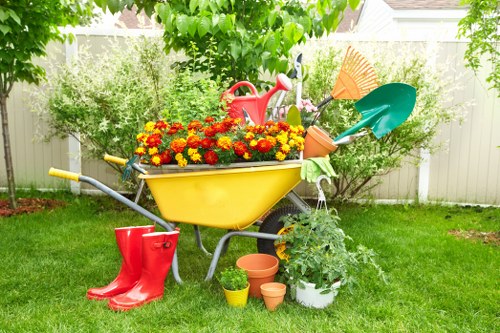 Gardeners Barbican is committed to a practical, lower-impact approach that supports greener outdoor maintenance across the local area. Our work is shaped by a simple idea: well-kept gardens and responsible waste handling should go hand in hand. From routine green waste collection to careful material sorting, our recycling and sustainability practices are designed to reduce landfill use, conserve resources, and keep the environmental footprint of every project as low as possible. In a district where space is limited and waste streams are varied, this matters more than ever.
One of our key goals is to achieve a recycling percentage target of 90% across suitable project waste, with the aim of diverting as much reusable material as possible away from disposal. This includes organic garden debris, clean timber, plant pots where accepted, cardboard, and selected metal items. We also separate materials at source whenever possible, which makes later processing more efficient. By treating waste as a resource rather than a burden, Gardeners Barbican sustainability efforts help create a more circular approach to local gardening services.
We place strong emphasis on working with the right local facilities and handling routes. Waste from projects is directed through nearby transfer stations and authorised handling points that can sort, consolidate, and forward materials into appropriate recycling streams. In central London, local transfer stations play an important role in reducing travel distances and supporting efficient movement of green waste, soil, and mixed light materials. This approach helps ensure that our operations stay responsive while keeping transport-related emissions under control.
 Our recycling approach also reflects the broader expectations of neighbouring boroughs, where waste separation is increasingly organised around clear material categories. In many local areas, residents and service providers are encouraged to separate food waste, dry mixed recycling, garden waste, and residual rubbish. We follow the same spirit in our garden work by separating compostable material from non-organic items and by keeping uncontaminated recyclables clean and dry wherever possible. This improves recovery rates and supports the boroughs’ wider waste-management ambitions.
Where suitable, green waste such as leaves, cuttings, grass, and small branches is sent for composting or other organic recovery processes. Soil and hardcore-like materials may be managed separately, while reusable plant containers, ties, and select fittings are collected for appropriate recycling channels. We also favour a minimal-packaging approach when sourcing materials for maintenance tasks, reducing the amount of waste created before a project even begins. These steps may seem small, but together they contribute meaningfully to a lower-waste service model.
Partnerships with charities are another important part of our sustainability commitment. Gardeners Barbican supports local and regional organisations that can make use of surplus plants, clean topsoil, pots, garden furniture, or suitable decorative items. When items are still in usable condition, donating them can extend their lifespan and reduce unnecessary disposal. We also work with community-focused charities that value plant materials for growing spaces, training initiatives, or neighbourhood projects. In this way, our Gardeners Barbican recycling process can create benefits that go beyond the immediate site.
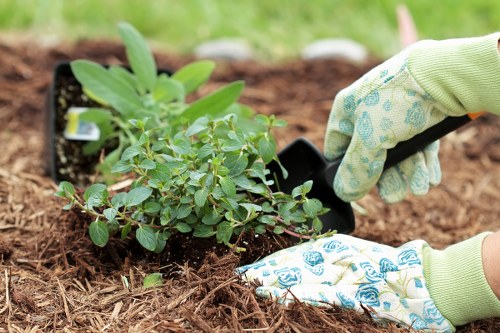 Our transport choices are equally important. To reduce emissions, we use low-carbon vans for many routine journeys and service runs, selecting vehicles that offer improved fuel efficiency and reduced environmental impact. Where possible, routes are planned to limit unnecessary mileage, combine collections, and avoid repeated trips. This route optimisation supports a smarter, cleaner way of working and reflects the growing expectation that urban gardening services should keep pace with climate-conscious standards. For clients seeking sustainable gardening in Barbican, transport practices are a key part of the answer.
Low-emission vehicle use is especially relevant in central London, where traffic density and air quality concerns make every journey matter. By investing in modern vans and careful scheduling, we can reduce idle time, lower fuel consumption, and improve overall operational efficiency. The result is a service that better aligns with local environmental priorities while still meeting the practical demands of maintenance, clearance, and planting work. Sustainability is not treated as an extra feature; it is built into how the service moves, collects, and disposes of materials.
We also pay attention to the types of waste commonly produced in the area. Urban garden projects often create mixed light materials such as broken terracotta, old canes, packaging from supplies, worn-out grow bags, and seasonal cuttings. In some parts of London, borough waste systems separate these streams carefully to improve recovery, and we mirror that approach wherever we can. By keeping recyclable and non-recyclable materials apart from the outset, we reduce contamination and improve the chances that useful materials will be processed correctly.
Another benefit of a structured recycling and sustainability policy is that it supports better planning across the whole project lifecycle. Before work starts, we assess likely waste types and decide how they should be collected, stored, and transferred. During the task, we keep recycling bags and containers clearly distinguished from general waste. After completion, we ensure final loads are handled through approved facilities, charities, or recovery streams. This disciplined approach helps protect both the local environment and the wider resource cycle.
 Gardeners Barbican also encourages a more thoughtful attitude toward materials that may have a second life. Timber offcuts can sometimes be reused in supports, clean stones may be repurposed in landscaping, and healthy plant matter can be composted rather than discarded. Even in small urban spaces, this mindset can make a measurable difference. It is part of our wider commitment to recycling for Gardeners Barbican clients in a way that feels modern, responsible, and suited to the environmental expectations of the city.
In practical terms, sustainability means balancing convenience with care. Our teams are trained to recognise which materials belong in organic recycling, which should be forwarded to specialist handlers, and which can be passed on to charitable partners. Combined with the use of low-carbon vans and local transfer stations, this creates a service model that is efficient without being wasteful. It also supports the ongoing effort to reduce the environmental impact of gardening activities in an area where every small improvement counts.
 Looking ahead, Gardeners Barbican remains focused on improving its recycling percentage target, strengthening local partnerships, and making sustainability a constant part of everyday operations. Whether handling garden clearances, pruning waste, or surplus materials from planting work, our aim is always the same: to reuse, recover, and recycle as much as possible. This is how Gardeners Barbican sustainability becomes more than a promise—it becomes a practical standard for greener outdoor care in the Barbican area.