Garden Maintenance in Barbican: Keeping Urban Outdoor Spaces Beautiful All Year
Why Garden Maintenance in Barbican Matters

Garden maintenance in Barbican is about more than keeping plants alive; it is about preserving the character, comfort, and value of outdoor spaces in one of London’s most distinctive urban areas. Whether you have a private courtyard, a roof terrace, a shared communal garden, or a small front garden, regular care helps your outdoor space stay healthy, tidy, and inviting throughout the year.
Barbican properties often feature a unique mix of modern architecture, sheltered corners, elevated planting areas, and compact layouts. These conditions can be beautiful, but they also create specific challenges for planting and upkeep. Shaded areas, wind exposure, limited soil depth, and drainage issues all influence how a garden performs. That is why garden maintenance in Barbican requires a thoughtful approach rather than a one-size-fits-all routine.
Professional and consistent maintenance also supports long-term plant health. When shrubs are trimmed correctly, lawns are fed at the right time, weeds are controlled early, and seasonal planting is refreshed properly, the whole garden looks more polished. For residents and property managers, this means less stress and more enjoyment from the space. A well-maintained garden can create a calm escape from the busy city while adding a strong visual appeal to the property.
Understanding the Barbican Garden Environment
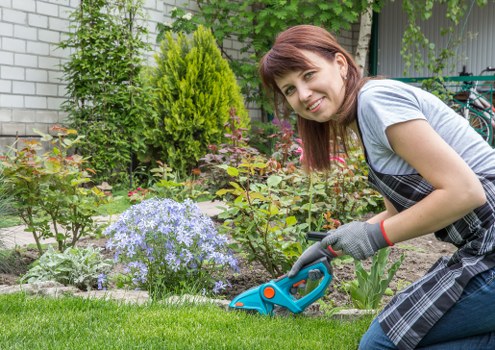
The Barbican environment presents its own set of gardening conditions. Many outdoor areas are partially shaded by nearby buildings, which means plants must cope with reduced sunlight for part of the day. At the same time, some spaces are exposed to gusty winds that can dry out soil quickly and damage delicate leaves. Effective Barbican garden maintenance takes these conditions into account from the start.
Urban gardens in this area often need a balance of structure and flexibility. Hard landscaping, raised beds, container planting, and compact lawn areas may all be part of the same design. Because of this, maintenance tasks can range from pruning ornamental shrubs to checking irrigation systems and refreshing container compost. Each task contributes to an outdoor space that remains attractive in every season.
Soil quality can also vary greatly across Barbican gardens. In containers and raised beds, nutrients are used up more quickly, so feeding schedules matter. In planted borders, compaction and poor drainage can affect root growth. A careful maintenance plan helps prevent these issues, ensuring that the garden continues to thrive rather than merely survive.
Core Services Included in Garden Maintenance in Barbican
Regular tasks that keep everything in shape
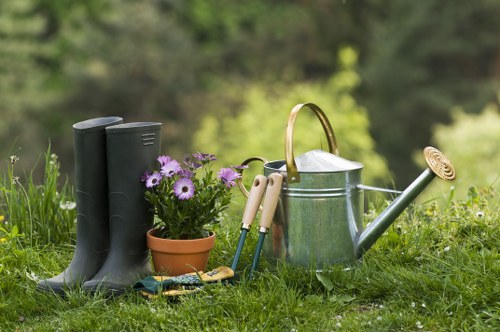
Garden maintenance in Barbican typically includes a wide range of tasks designed to keep the space healthy and visually appealing. These services are usually scheduled weekly, fortnightly, or seasonally depending on the size of the garden and the needs of the plants. Routine care helps stop small problems from turning into expensive repairs or plant loss.
Common maintenance work includes lawn care, hedge trimming, weeding, deadheading, mulching, feeding, and general tidying. In many Barbican gardens, container maintenance is especially important because pots dry out quickly and can become untidy without regular attention. A reliable service keeps these areas neat while also supporting root health and flowering performance.
Other useful tasks may include checking for pests and diseases, clearing leaves, cleaning hard surfaces, and making sure climbing plants are secured properly. In a busy city setting, even small details matter. A clean path, trimmed edge, or well-shaped shrub can transform how the whole space feels.
Typical maintenance tasks may include:
- Pruning shrubs and small trees
- Weeding borders, paths, and planters
- Mowing and edging lawns
- Feeding plants and improving soil condition
- Deadheading flowers to extend blooming
- Watering and checking irrigation systems
- Seasonal planting and plant replacement
- Leaf clearance and debris removal
Seasonal Garden Maintenance in Barbican

Seasonal care is a major part of successful garden maintenance in Barbican. Each season brings different challenges, so the maintenance plan should adapt throughout the year. Spring often focuses on growth, summer on watering and trimming, autumn on clearing and preparing, and winter on protection and planning.
In spring, gardens benefit from soil improvement, lawn feeding, fresh planting, and careful pruning of late-flowering shrubs. This is also a good time to assess winter damage and replace any plants that did not survive the colder months. A spring refresh can set the tone for the entire year and restore colour after a quiet winter.
During summer, maintenance shifts toward watering, deadheading, and controlling growth. Many plants need more frequent checks because warmer weather and wind can dry out containers and borders quickly. In the autumn, leaf clearance becomes essential, especially in communal and paved areas where wet leaves can create slipping hazards. Winter, meanwhile, is a time to protect more vulnerable plants, reduce excess water around roots, and prepare for the next growing season.
Seasonal priorities by time of year
- Spring: feed, prune, divide plants, and refresh borders
- Summer: water regularly, mow, deadhead, and manage weeds
- Autumn: clear leaves, mulch beds, and protect tender plants
- Winter: check drainage, reduce storm damage, and plan planting changes
Benefits of Regular Garden Maintenance

There are many advantages to keeping up with garden maintenance in Barbican, and the benefits extend beyond appearance alone. A regularly maintained garden usually has healthier plants, cleaner surfaces, and a more welcoming atmosphere. This matters whether the space is used for quiet relaxation, entertaining, or simply improving the view from indoors.
Consistent care also saves time and money in the long term. Weeds are easier to remove when caught early, pests are less likely to spread, and shrubs are easier to shape when pruned regularly rather than left to become overgrown. For property owners and managers, this means better control over maintenance budgets and fewer unexpected issues.
Another major benefit is improved property presentation. In a city location like Barbican, outdoor areas are highly visible and contribute strongly to first impressions. A tidy, balanced garden can increase curb appeal, support resident satisfaction, and make a property feel better cared for overall. Regular garden maintenance in Barbican helps keep outdoor spaces looking intentional, elegant, and in harmony with the surrounding architecture.
Practical benefits include:
- Healthier, longer-lasting plants
- Reduced weed growth and pest pressure
- Better drainage and soil condition
- Improved safety on paths and steps
- More attractive and usable outdoor space
- Lower risk of expensive remedial work
Choosing the Right Plants for Barbican Gardens
Plant selection is a crucial part of effective garden maintenance in Barbican. The right plants make maintenance easier because they are better suited to local light levels, wind patterns, and container conditions. Choosing resilient species reduces the amount of replanting needed and helps the garden stay attractive for longer periods.
For shadier spaces, plants such as ferns, hostas, hellebores, and some varieties of hydrangea can work well. In brighter areas, grasses, lavender, rosemary, and flowering perennials may perform strongly if drainage is good. In windy or exposed spots, stronger stems and denser foliage often hold up better than fragile blooms. A sensible planting plan supports easier Barbican garden care and more reliable visual impact.
Container gardens are especially common in urban settings, and they need plants that can handle life in pots. Mixed seasonal displays, evergreen structure, and compact flowering species can keep containers interesting throughout the year. Regular plant replacement may still be required, but thoughtful selection can extend the life and appeal of each arrangement.
Good planting choices often depend on:
- How much sunlight the area receives
- Whether the space is sheltered or exposed
- The depth and quality of the soil
- How often the garden is watered
- Whether the planting is in borders, beds, or containers
Lawn Care and Turf Maintenance in Barbican
Where lawns are part of the design, they need regular attention to stay healthy and tidy. Lawn care is a central feature of many gardening services, and in Barbican it often requires more precision because some lawns are small, decorative, or partly shaded. Mowing, edging, feeding, and aeration all play a role in keeping turf in good condition.
Shaded lawns may need less frequent cutting but more attention to moss, thinning, and moisture levels. Meanwhile, lawns in sunnier spots can dry out quickly and may require careful watering during warmer months. Garden maintenance in Barbican often involves adapting lawn care to these different conditions rather than following a fixed routine.
Good turf care can make a garden feel much more finished and usable. Crisp edges, healthy colour, and even growth all contribute to a polished appearance. If lawn areas are small, the emphasis may be on maintaining a neat finish rather than achieving a large recreational turf. In either case, regular maintenance is the key to keeping the lawn attractive.
Pruning, Shaping, and Plant Health
Pruning is one of the most important parts of garden maintenance in Barbican because it helps control size, shape, flowering, and plant health. In compact urban gardens, overgrown shrubs can quickly dominate the space, block light, and reduce airflow. Proper pruning keeps plants balanced and prevents them from becoming untidy or unhealthy.
Different plants need different pruning methods. Some shrubs benefit from light shaping after flowering, while others require annual reduction in late winter or early spring. Climbers may need training and tying in, while ornamental trees often need selective thinning to maintain structure. A skilled approach protects the plant while improving the look of the whole garden.
Plant health checks are equally important. Early signs of disease, nutrient deficiency, or pest damage should be noticed before they spread. Yellowing leaves, chewed edges, weak stems, and patchy growth can all indicate a problem. By addressing these issues early, garden maintenance in Barbican helps preserve the long-term condition of the planting scheme.
Helpful pruning principles
- Use clean, sharp tools for a precise cut
- Remove dead, damaged, or crossing branches first
- Respect the flowering cycle of each plant
- Avoid cutting too much at once
- Shape plants to suit the size of the space
Weed Control and Soil Care
Weeds compete with desired plants for water, nutrients, and light, so regular weed control is essential. In a busy urban setting, weeds can appear in borders, between paving stones, around containers, and along fences or walls. The earlier they are removed, the easier they are to manage. This is why reliable garden maintenance in Barbican keeps attention on small areas that can quickly become troublesome.
Soil care is just as important as weed removal. Healthy soil supports stronger roots, better flowering, and improved resistance to stress. Compost, mulch, and organic matter can all help improve soil quality over time. In container gardens, fresh compost and appropriate feeding can make a significant difference to plant performance. Good soil management is a practical way to support a beautiful garden without constant heavy intervention.
Mulching is often especially valuable in Barbican gardens because it helps retain moisture, suppress weeds, and give borders a cleaner finish. It can also protect roots from temperature swings. Combined with regular weeding and feeding, mulch helps create a more stable growing environment. When soil and weed management are handled properly, the rest of the maintenance work becomes much easier.
Hard Landscaping and General Tidy-Up Work
Garden maintenance in Barbican is not limited to plants alone. Many outdoor spaces also include paving, decking, steps, planters, railings, and decorative features that need regular attention. Dirt, algae, fallen leaves, and clutter can make even the best-designed space feel neglected. Routine tidy-up work keeps these elements looking their best.
Cleaning hard surfaces can improve both safety and appearance. Slippery moss or algae on paths and steps can become a hazard, especially in damp weather. Regular sweeping, washing, and light treatment of affected areas can reduce risks and create a more pleasant environment. In communal settings, this type of upkeep is especially important because many people use the space.
General tidying also includes removing broken branches, discarded plant material, and seasonal debris. Small jobs may seem minor, but together they shape the overall impression of the garden. A tidy space looks cared for, and that sense of order often encourages people to use and appreciate the outdoor area more often.
Hard landscaping upkeep may involve:
- Cleaning paving and paths
- Removing moss and algae
- Sweeping leaves and debris
- Checking planters and edging
- Keeping storage areas neat and orderly
Working with Communal and Private Gardens
Barbican includes a mix of private and shared outdoor spaces, and each one needs a slightly different approach. Private gardens may be tailored closely to the owner’s preferences, with seasonal planting and specific design choices. Communal gardens, on the other hand, usually need consistent, neutral upkeep that keeps the space appealing for a wide range of users.
In communal settings, reliable scheduling is especially important. The garden should look good throughout the week, not just after a major visit. That means prioritising visible areas, maintaining tidy edges, and keeping pathways safe and clear. Garden maintenance in Barbican for communal spaces often focuses on durability, ease of use, and lasting presentation.
Private garden maintenance can be more flexible, allowing for more personal design decisions and changes over time. Some owners prefer low-maintenance evergreen planting, while others want a colourful seasonal display. Whatever the style, the same principle applies: regular maintenance creates better results than occasional heavy intervention.
Choosing a Garden Maintenance Approach That Fits Barbican
Not every garden needs the same level of attention. The best garden maintenance in Barbican depends on the size of the space, the types of plants, the amount of sunlight, and how the garden is used. A small terrace with containers may need frequent watering and deadheading, while a larger communal area may benefit from scheduled monthly care and seasonal planting updates.
It is also important to think realistically about time and resources. Some gardens can be maintained with simple regular care, while others benefit from more structured support. Choosing the right approach helps prevent both under-maintenance and unnecessary work. The aim is to create a space that remains attractive without becoming difficult to manage.
For many residents, the best results come from combining routine care with seasonal improvements. This keeps the garden looking fresh and avoids the common problem of neglect followed by a major clear-up. Barbican garden maintenance works best when it is planned, consistent, and matched to the garden’s actual needs.
Smart maintenance planning usually considers:
- Size and layout of the garden
- Light, shade, and wind exposure
- Planting style and growth rate
- Need for watering or irrigation
- Frequency of use by residents or visitors
Why Professional Garden Maintenance in Barbican Is Worth It
Many people enjoy gardening, but professional support can make a major difference in complex urban settings. Experienced gardeners understand the specific demands of Barbican spaces and can respond quickly to changing conditions. They know when to prune, how to manage shaded planting, and what to do when weather conditions affect plant health.
Professional garden maintenance in Barbican is especially helpful for people with busy schedules or larger outdoor areas. Instead of trying to fit every task into weekends or evenings, residents can rely on regular care that keeps the garden in good condition year-round. This creates a better balance between enjoyment and effort.
There is also the advantage of consistency. A garden looks best when it is maintained in a structured way, with each visit building on the last. When care is consistent, plants thrive, weeds stay under control, and the space remains inviting. If you want your outdoor area to look its best, contact us today and book your service now.
Making Garden Maintenance in Barbican Part of a Better Outdoor Lifestyle
A well-maintained garden can change how a home or building feels. It offers a place to relax, a more attractive view, and a sense of order in a busy city environment. Garden maintenance in Barbican supports that experience by keeping the space fresh, healthy, and enjoyable across the seasons.
From lawn care and pruning to container planting and hard surface cleaning, every part of the routine contributes to the overall result. When these tasks are handled consistently, the garden becomes easier to enjoy and easier to manage. That is especially valuable in Barbican, where outdoor spaces often have to work hard in compact or challenging conditions.
Whether you are looking after a small private courtyard or a larger communal area, investing in regular care makes a real difference. A thoughtful, well-timed maintenance plan keeps the garden looking refined, supports plant health, and protects long-term value. If your outdoor space needs attention, now is the perfect time to contact us today and book your service now for dependable garden maintenance in Barbican.