Landscape Gardening in Barbican: Creating Elegant Outdoor Spaces in a Unique Urban Setting
Landscape gardening in Barbican is about much more than planting flowers and trimming hedges. In one of London’s most distinctive residential and cultural districts, outdoor spaces need to balance style, function, privacy, and resilience. Whether you own a modern apartment terrace, a courtyard, a podium garden, or a tucked-away rooftop space, landscape gardening in Barbican can transform even the most compact area into a calm, attractive, and practical retreat.
The Barbican is known for its architectural character, elevated walkways, concrete forms, and dense urban layout. That means gardening here requires thoughtful planning and an understanding of how light, wind, shade, and structure affect plant growth. A successful Barbican garden is not only beautiful; it works with the environment rather than against it. With the right design, planting scheme, and maintenance approach, landscape gardening in Barbican can bring softness, colour, and seasonal interest into a highly urban setting.
From low-maintenance planting beds to sophisticated hard landscaping, this type of outdoor design can suit a wide variety of lifestyles. Homeowners, tenants, property managers, and commercial space owners all benefit from carefully planned exterior spaces that add value and comfort. Landscape gardening in Barbican can create a welcoming first impression, improve outdoor usability, and offer a sense of peace in the middle of the city.
Why Landscape Gardening in Barbican Needs a Tailored Approach

Barbican gardens are rarely conventional. The area’s architecture and urban structure create conditions that differ from suburban or rural settings. Shaded corners, reflective surfaces, limited soil depth, and exposure to strong winds can all affect plant health and garden performance. For this reason, landscape gardening in Barbican should always be shaped around the specific site, rather than using a generic planting formula.
A tailored approach ensures that every element, from paving and drainage to tree selection and seasonal planting, works together effectively. In many Barbican properties, space is limited, so every square metre has to earn its place. This is where smart design becomes essential. Carefully considered landscape gardening in Barbican can make a small outdoor area feel larger, calmer, and more usable.
Another major factor is visual harmony. Barbican architecture has a strong identity, so gardens should complement the clean lines and urban textures of the surroundings. A good design may use structured planting, minimalist materials, and subtle colour palettes to reflect the character of the area while still introducing softness and life.
Key Environmental Challenges in Barbican Gardens

Understanding the local conditions is the first step in successful landscape gardening in Barbican. Several common challenges can influence what will thrive and what will struggle. These include low light, air movement, restricted planting depth, and water management issues in paved or elevated spaces.
- Shade from surrounding buildings, which can limit flower choices
- Wind exposure on terraces and higher-level gardens
- Limited root space in planters and built-in beds
- Drainage concerns on rooftop and podium gardens
- Heat reflection from stone, glass, and concrete surfaces
These conditions do not make gardening impossible; they simply require a more strategic approach. Choosing the right species, improving soil quality, and using containers or raised beds where needed can all help create a thriving outdoor environment. In fact, some of the most impressive Barbican gardens are those that embrace these limitations creatively.
For many property owners, the challenge is also maintenance. A garden that looks fantastic in spring may become difficult to manage during summer if it has been over-planted or designed without long-term sustainability in mind. This is why professional landscape gardening in Barbican often focuses on low-maintenance structure, durable materials, and dependable planting.
Design Principles That Work Well in Landscape Gardening in Barbican

Good design in Barbican should feel intentional, calm, and elegant. The most successful outdoor spaces often combine structure and softness in a balanced way. Clean paving, discreet borders, architectural plants, and layered greenery can produce a refined result that suits modern urban living.
One of the most important principles is proportion. In smaller spaces, oversized features can overwhelm the area, while tiny details may be lost. Landscape gardening in Barbican benefits from a measured approach that uses repeated shapes, limited materials, and clear focal points. This creates order and visual clarity.
Another principle is flow. Even in compact outdoor spaces, movement matters. A well-designed terrace or courtyard should allow people to walk, sit, and enjoy the garden without feeling restricted. Designers often use zoning to define areas for dining, relaxing, planting, and circulation. This makes the space feel more usable and more enjoyable throughout the year.
Creating Balance Between Hard and Soft Landscaping
Hard landscaping refers to paving, decking, walls, steps, and structural elements, while soft landscaping includes plants, grass, and other living components. In Barbican, the best gardens often use a strong hard landscaping framework softened by lush but controlled planting. This helps the space remain practical while still feeling inviting and natural.
Material choice also matters. Natural stone, timber, porcelain paving, and weather-resistant composites are often selected for durability and appearance. These surfaces can be paired with evergreen shrubs, ornamental grasses, and flowering perennials to create a setting that feels both contemporary and alive.
Plant Selection for Barbican Garden Spaces

Plant selection is central to successful landscape gardening in Barbican. Because of the local conditions, plants need to be chosen not just for beauty, but for adaptability. The most reliable choices are often those that tolerate shade, partial shade, pollution, and occasional wind exposure.
Evergreen plants are especially useful because they provide structure throughout the year. They help the garden look full and polished even in winter, when many plants are dormant. Popular options for Barbican gardens may include box alternatives, yew, pittosporum, ferns, heucheras, ornamental grasses, and hardy bamboo varieties, depending on the available space and light levels.
Seasonal planting can still play an important role. Flowering bulbs, summer bedding plants, and autumn interest species add movement and changing colour across the year. The key is to avoid overcrowding and to keep the overall design balanced. A thoughtful planting scheme ensures that landscape gardening in Barbican remains attractive in every season without becoming high maintenance.
Best Plant Characteristics for Urban Barbican Gardens
- Tolerance of partial shade
- Adaptability to container growing
- Resistance to wind and dry conditions
- Strong year-round structure
- Low or manageable maintenance needs
Using a mix of evergreen structure, seasonal highlights, and textural variety helps create depth. Plants with different leaf shapes, heights, and tones can make a compact garden feel layered and sophisticated. In a setting like Barbican, this visual variety is especially valuable because it adds richness without clutter.
Making Small Spaces Feel Larger
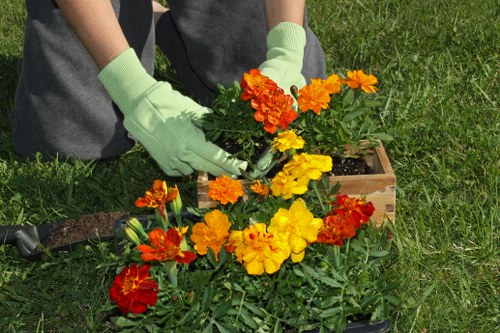
Many people think that landscape gardening in Barbican is limited by space, but small gardens can actually become some of the most impressive outdoor areas when they are designed well. The secret is to make smart use of perspective, planting density, and material repetition. Even the narrowest terrace or courtyard can feel generous with the right planning.
One effective technique is to maintain clear sight lines. Avoid filling every corner with busy features. Instead, use a focal point such as a sculptural plant, a bench, a water feature, or a statement planter to draw the eye and create depth. This gives the illusion of a larger space while also improving visual interest.
Mirrors, pale surfaces, vertical planting, and layered heights can also help expand the sense of space. For example, climbing plants on trellises can draw attention upward, making the garden feel taller. Similarly, raised beds and slimline furniture can keep the floor area open and functional. In compact Barbican environments, these techniques are often essential.
Another useful strategy is simplicity. Too many materials or planting styles can make a small garden feel crowded. A clean palette of two or three main materials, supported by a limited but effective plant scheme, usually works better. This approach suits the refined atmosphere of Barbican and allows the garden to feel elegant rather than overworked.
Hard Landscaping Features That Suit Barbican Properties
Hard landscaping plays a huge role in landscape gardening in Barbican because it provides the structure that supports the whole design. In urban gardens, these features often need to do several jobs at once: define space, improve usability, manage drainage, and enhance style.
Popular hard landscaping features include paved patios, raised planters, seating walls, screens, pathways, and timber or composite decking. These elements can turn an awkward or underused space into a polished outdoor room. A well-planned layout also helps distinguish between functional and decorative zones, which is especially useful in properties with limited outdoor access.
Some of the most effective features are subtle. Built-in benches, integrated lighting, and hidden storage can preserve space while improving comfort. In landscape gardening in Barbican, these design details often make the difference between a garden that simply looks nice and one that genuinely supports daily life.
Practical Hard Landscaping Ideas
- Porcelain paving for a sleek, modern finish
- Raised timber planters for depth and planting flexibility
- Screening panels for privacy in overlooked areas
- Compact water features for sound and atmosphere
- Integrated seating to save space and improve usability
Drainage should always be carefully considered, especially for rooftop and terrace gardens. Without proper installation, water can damage surfaces and affect nearby structures. This is one reason professional landscape gardening in Barbican is so valuable: it combines visual design with technical know-how.
How Landscape Gardening in Barbican Supports Lifestyle and Wellbeing
A well-designed garden is more than a decorative feature. In a busy urban area, it can become a place to rest, recharge, and connect with nature. Landscape gardening in Barbican supports wellbeing by introducing natural textures, calming views, and practical spaces for outdoor living.
People often underestimate how much even a small garden can improve daily life. A private outdoor area can be used for morning coffee, lunch breaks, reading, family time, or quiet reflection. It offers a sense of escape without leaving the city. In a district as architecturally distinct as Barbican, this contrast between urban form and living greenery can be especially rewarding.
There are also environmental benefits. Plants can help soften hard surfaces, support biodiversity, and improve air quality. Even modest planting schemes can attract birds, pollinators, and beneficial insects. Landscape gardening in Barbican therefore contributes not only to individual comfort but also to the wider urban environment.
Features That Improve Everyday Enjoyment
- Comfortable seating areas for relaxation
- Shade solutions such as planting or structures
- Fragrant plants for sensory appeal
- Year-round greenery for visual continuity
- Low-noise water elements to create calm
When a garden is carefully planned, it becomes part of how people live rather than just something they look at. That is one of the biggest strengths of landscape gardening in Barbican: it makes urban life more enjoyable and more balanced.
Maintenance Tips for Long-Lasting Barbican Gardens
Even the best design needs ongoing care. Maintenance is a key part of keeping landscape gardening in Barbican looking sharp and healthy over time. The good news is that many Barbican gardens can be designed to require relatively low upkeep, provided the planting and materials are chosen wisely from the start.
Routine maintenance usually includes pruning, seasonal planting refreshes, feeding, irrigation checks, weeding, and cleaning hard surfaces. In smaller urban gardens, attention to detail matters because even minor issues can quickly affect the overall appearance. A well-maintained garden looks more spacious, more inviting, and more valuable.
Professional maintenance plans often include scheduled visits at key points in the year. Spring may focus on new growth and planting, summer on watering and presentation, autumn on tidying and bulb planting, and winter on structure and protection. This seasonal approach keeps landscape gardening in Barbican attractive all year round.
Simple Maintenance Priorities
- Check irrigation and drainage regularly
- Prune shrubs and climbers at the right time
- Remove weeds before they spread
- Refresh container planting when needed
- Clean paving and furniture to preserve appearance
For busy homeowners and property managers, a low-maintenance planting design can be especially useful. Choosing long-lasting plants, durable finishes, and efficient watering systems reduces the time needed for upkeep while maintaining a polished look.
Choosing the Right Professionals for Landscape Gardening in Barbican
Because Barbican presents specific design and technical challenges, it is wise to work with professionals who understand urban landscape conditions. Experienced designers and gardeners can assess the space, identify limitations, and create a plan that suits both the property and the people who use it.
Professional support can help with everything from initial concept development to planting, installation, and ongoing maintenance. This is especially important where access is limited or where structural considerations must be taken into account. Landscape gardening in Barbican often involves working around existing architecture, drainage systems, and shared spaces, so expertise matters.
When choosing a service, look for knowledge of small-space design, local plant selection, hard landscaping techniques, and maintenance planning. A strong portfolio of urban gardens is usually a good sign. The right team will understand how to combine aesthetics with practicality, resulting in a space that works beautifully in real life.
What to Look For in a Landscaping Service
- Experience with urban and compact gardens
- Knowledge of shade-tolerant and wind-resistant planting
- Ability to design for balconies, terraces, courtyards, and rooftops
- Understanding of drainage and structural limitations
- Clear maintenance support after installation
When you invest in professional landscape gardening in Barbican, you are investing in a space that can add comfort, style, and long-term value to your property. The result should feel effortless, functional, and perfectly suited to its surroundings.
Conclusion: Transforming Barbican Outdoor Spaces with Purpose
Landscape gardening in Barbican is a specialist craft that combines creativity, technical planning, and an understanding of urban living. In an area known for its architectural character and compact outdoor spaces, the right garden design can make a remarkable difference. It can soften hard edges, introduce seasonal life, and create a private sanctuary in the heart of the city.
Whether the goal is a stylish courtyard, a peaceful terrace, a practical podium garden, or a sophisticated rooftop retreat, landscape gardening in Barbican offers endless possibilities. By selecting the right plants, materials, and layout, you can create an outdoor space that is both beautiful and manageable. This is where thoughtful design truly pays off.
If you are ready to improve your outdoor area and want a result that reflects the quality of the Barbican environment, now is the perfect time to act. Contact us today to discuss your ideas, or book your service now to begin shaping a garden that feels tailored, elegant, and built for urban life.