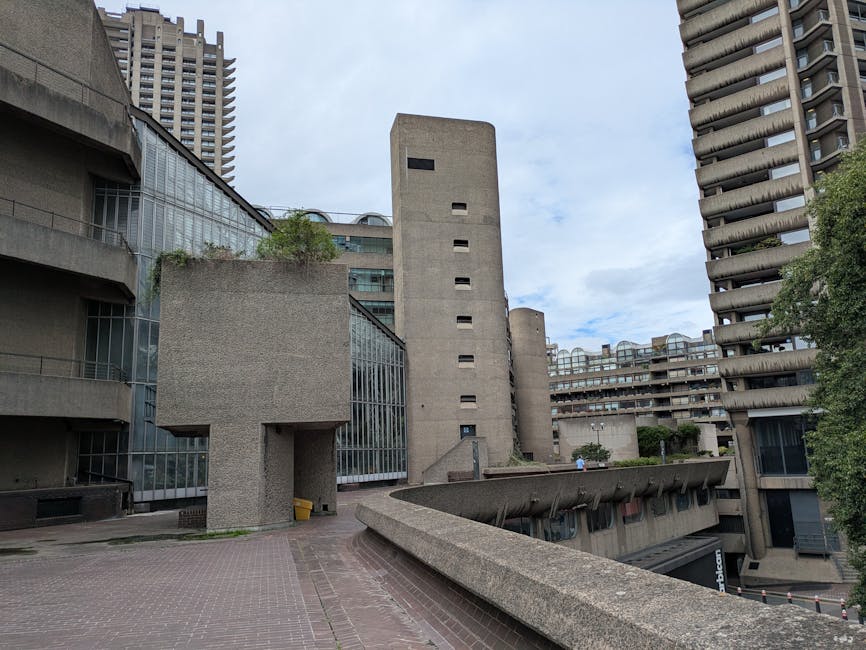
EC2Y gardeners price guide real cost for Barbican jobs
If you are trying to pin down the EC2Y gardeners price guide real cost for Barbican jobs, you are probably dealing with the same frustration most homeowners and property managers face: prices that look simple on the surface, then shift once the actual work is discussed. A small hedge trim is not the same as a full garden tidy-up. A straightforward lawn cut is not the same as clearing a neglected courtyard after months of growth. In Barbican, where access, waste removal, and property type can all affect the final bill, knowing what drives cost is half the battle.
This guide breaks down the real cost factors in plain English. You will see what gardeners typically charge, why quotes vary, what to ask before booking, and how to avoid paying too much for work that should have been scoped properly from the start. No fluff. Just the sort of detail that helps you make a sensible decision.
Table of Contents
- Why EC2Y gardeners price guide real cost for Barbican jobs Matters
- How EC2Y gardeners price guide real cost for Barbican jobs Works
- Key Benefits and Practical Advantages
- Who This Is For and When It Makes Sense
- Step-by-Step Guidance
- Expert Tips for Better Results
- Common Mistakes to Avoid
- Tools, Resources and Recommendations
- Law, Compliance, Standards, or Best Practice
- Options, Methods, or Comparison Table
- Case Study or Real-World Example
- Practical Checklist
- Conclusion
- Frequently Asked Questions
Why EC2Y gardeners price guide real cost for Barbican jobs Matters
Barbican is not a one-price-fits-all part of London. The EC2Y postcode often means managed properties, shared access, compact gardens, podium planting, roof terraces, and the occasional awkward route in and out with tools. That matters because gardening is never just about the visible task. It is also about how long the job takes, how easily waste can be removed, and whether the work needs extra care around neighbouring homes, communal areas, or fragile planting.
That is why a real cost guide is useful. It helps you separate a fair quote from an inflated one. It also helps you understand what you are actually paying for. For example, a standard mow in a small front garden is one thing; clearing ivy from brickwork, shaping hedges, and removing cuttings from a tight access courtyard is another beast entirely.
The real value here is confidence. When you know the usual cost drivers, you can ask better questions and compare quotes without feeling lost. And let's be honest, nobody wants to nod along to a number they do not really understand.
If you are also planning broader garden improvements, it can help to look at service pages like garden maintenance or hedge trimming in Barbican to match the job type with the right level of service.
How EC2Y gardeners price guide real cost for Barbican jobs Works
In practice, gardening costs in EC2Y usually come down to four broad elements: labour, materials, access, and disposal. That sounds simple, but each one can shift the quote more than people expect.
1. Labour time
Most gardeners estimate work by the hour, by the half-day, or by a fixed job rate. Small tidy-ups can be straightforward. Larger or more technical jobs, such as hedge shaping or overgrown border clearance, often need a site visit before a meaningful figure can be given.
2. Waste and green disposal
Cuttings, branches, soil, and general garden waste all need handling. If the job produces a few bags, that is one thing. If it produces a van-load, disposal becomes part of the real cost. People sometimes forget this. Then they wonder why a tidy-up is not as cheap as expected. That little surprise is common.
3. Access and parking
In Barbican, access can influence pricing more than in suburban areas. If a gardener has to carry equipment through shared entrances, across courtyards, or from distant parking, the job takes longer. Time is money, as the saying goes, even when the task itself looks modest.
4. Complexity of the work
Some jobs are routine. Others need more skill, tools, or risk management. Ivy removal from walls, hedge reduction at height, turf repair, or patio cleaning each come with different effort levels. A good quote should reflect the work involved, not just the square footage.
For specialised jobs, it is worth reading up on related tasks such as strategic ivy removal or hedge trimming patterns, because both can affect labour time and the level of finish required.
Key Benefits and Practical Advantages
Understanding the real cost of Barbican gardening jobs is not only about saving money. It is also about choosing the right job scope and getting better results.
- Cleaner budgeting: You can plan seasonal maintenance without guesswork.
- Better comparisons: You can compare similar quotes on a like-for-like basis.
- Less risk of add-ons: Clear scoping reduces awkward mid-job surprises.
- More suitable service choice: You can decide whether you need one-off help or recurring maintenance.
- Improved property appearance: In a dense London setting, tidier outdoor space makes a visible difference fast.
A good cost guide also supports better long-term decisions. If your garden needs constant tidying, a regular maintenance plan may be more economical than repeated rescue jobs. That is especially true for places where growth comes back quickly or access makes DIY work a faff.
There is also a comfort factor. Many people feel better once they know the likely range. It takes the sting out of the unknown.
Who This Is For and When It Makes Sense
This guide is useful if you are a homeowner, landlord, property manager, leaseholder, or anyone responsible for outdoor space in the EC2Y area. It is particularly relevant if your garden is small but fiddly, because those jobs can look minor and still take real time.
It also makes sense if you are trying to decide between a quick tidy-up and a more structured service. For example, a neglected courtyard may need more than a mow. It may need weed control, edging, hedge work, waste clearance, and perhaps even follow-up care. That is where cost clarity helps you avoid under-ordering the work and paying again a few weeks later.
Families with limited time, older residents who want reliable ongoing support, and busy professionals balancing maintenance with work schedules all tend to benefit from knowing the likely real cost before they book anything.
If the property also needs broader support, services such as gardening services, lawn care, or patio cleaning can be more efficient than piecemeal fixes.
Step-by-Step Guidance
If you want a realistic idea of what a job should cost, work through it in this order.
- List the exact tasks. Do not say "garden tidy" if you really mean hedge cutting, weeding, and waste removal. The more precise you are, the cleaner the quote.
- Measure the space roughly. You do not need a surveyor's notebook. Just note whether the area is tiny, medium, or extensive, and whether there are steps, narrow access points, or shared entrances.
- Check the condition. Is the area maintained, lightly overgrown, or severely neglected? A garden that has been left alone for a season will usually cost more than one that is only due a routine visit.
- Decide on finish level. Some people want a functional tidy. Others want sharp edges, symmetry, and a more polished look. Those are different outcomes, and they should not be priced the same.
- Ask about waste. Find out whether disposal is included. If not, ask how it is charged. That one detail can change the final cost quite a bit.
- Ask about timing and access. If the job has to be fitted around building access windows or parking restrictions, mention that early. It saves hassle later.
- Request a written estimate. A written breakdown is not being difficult. It is just good sense.
A small but useful habit: take photos before asking for a quote. Three or four clear pictures often help more than a long explanation, especially for overgrown borders or awkward corners.
If you are unsure where to begin, start with general maintenance and work outward. A tidy core makes every other job easier. That is just the truth of it.
Expert Tips for Better Results
After looking at a lot of garden jobs over time, a few patterns show up again and again.
First, separate recurring work from one-off work. If your garden is likely to need attention every few weeks, a maintenance arrangement often gives better value than repeatedly booking rescue visits. It is calmer, too. Less scrambling.
Second, prioritise the work that prevents bigger bills. Trimming back overgrown hedges, clearing blocked drainage runs, and removing invasive growth early can save effort later. A small issue left alone becomes a bigger one. That is almost a gardening law.
Third, avoid mixing too many unrelated tasks into one vague request. "Sort the garden out" sounds easy to say, but it is hard to price accurately. You will usually get a better quote if you group the work logically: mowing, hedge cutting, pruning, cleanup.
Fourth, think seasonally. In late autumn and winter, some gardens need pruning and protection rather than heavy cutting. In spring, the same garden might need clearance, feeding, and a fresh reset. The cost can shift with the work, not just the weather.
Fifth, use trusted supporting pages when comparing services. If a job includes hedges, look at Barbican hedge trimming. If it is more of a general reset, review garden makeover strategies. It helps you frame the request properly.
To be fair, a lot of pricing confusion disappears once the job is described properly. The work was never unclear. The brief was.
Common Mistakes to Avoid
Here are the errors that tend to cause the most frustration.
- Choosing only on price: The cheapest quote is not always the best value if it excludes waste, access time, or proper finishing.
- Giving a vague brief: Broad instructions usually lead to broad estimates, which are harder to trust.
- Ignoring access issues: If tools or green waste need to pass through tight communal areas, mention it early.
- Assuming all gardens are priced the same: Two gardens of similar size can still have very different costs based on layout, condition, and complexity.
- Forgetting follow-up care: One-off jobs can look great for a week, then slide again if the underlying maintenance is not planned.
- Not asking about insurance or safety: Especially for larger jobs, you should know how the work will be managed safely.
A common one in Barbican is underestimating the impact of restricted access. People see a compact garden and assume "small job, small price." Then the crew spends extra time carrying equipment, working carefully around shared entrances, and managing waste. It adds up.
Tools, Resources and Recommendations
For readers trying to understand or plan their own garden work, a few practical resources on the same site can be helpful. They do not replace a proper quote, but they do help you define the job more clearly.
- Tools of the trade and garden equipment basics for understanding what jobs usually require.
- Weed control tips for keeping routine costs from spiralling.
- Low-maintenance garden ideas for reducing ongoing spend.
- Ground cover planting ideas if you want a garden that needs less frequent hand-weeding.
- Fast-growth hedge suggestions if privacy and hedge upkeep are part of the plan.
If your outdoor space is more design-led, not just maintenance-led, useful reading also includes innovative garden seating ideas and affordable water feature ideas. Those can shape the kind of work you ask a gardener to quote for.
And if you want to understand the company behind the work, the about us page is worth a look before you book anything. A little context goes a long way.
Law, Compliance, Standards, or Best Practice
Gardening work may look informal, but there are still sensible standards to follow. In the UK, a professional provider should think carefully about safety, equipment use, waste handling, and respectful working around neighbouring properties. If the job involves ladders, cutting tools, or potential trip hazards, it should be managed properly rather than treated casually.
You do not need to become a compliance expert to hire a gardener, but you should expect clear communication on a few basics: what the work includes, how waste will be handled, whether there are any access constraints, and how the work is carried out safely. For larger or riskier jobs, it is reasonable to ask about insurance and working practices.
That is why pages such as health and safety policy, insurance and safety, and payment and security matter to many customers. They help set expectations before work starts.
For any service relationship, the usual best practice is simple: get the scope in writing, understand what is included, and make sure both sides agree before the job begins. That is not red tape. It is just a cleaner way to avoid confusion later.
Options, Methods, or Comparison Table
Different Barbican garden jobs suit different pricing models. Some are better charged hourly, while others make more sense as fixed-price tasks. Here is a practical comparison.
| Pricing method | Best for | Pros | Watch-outs |
|---|---|---|---|
| Hourly rate | Unclear scope, variable overgrowth, mixed tidy-ups | Flexible, simple for small jobs | Can become costly if the brief is vague |
| Fixed price | Well-defined jobs like hedge trimming or patio cleaning | Predictable, easier to budget | Needs a clear scope to avoid misunderstandings |
| Half-day or day rate | Heavier clearances, multiple tasks, larger outdoor spaces | Useful for bigger resets | May be overkill for tiny jobs |
In real life, the best option depends on certainty. If the work is straightforward, a fixed price is usually reassuring. If the garden is a bit of a mystery, an hourly or time-based estimate can be more honest. Simple, really.
For particular services, you may find it helpful to compare related pages such as lawn mowing, lawn care, or patio cleaning before deciding what kind of quote you need.
Case Study or Real-World Example
Here is a realistic Barbican scenario. A resident has a compact courtyard that has been left alone for most of the summer. The lawn is patchy, weeds are showing through the borders, the hedge line has gone a bit wild, and there is general debris from dropped leaves and pruning that never got done.
At first glance, it sounds like a quick tidy. In reality, the gardener may need to:
- clear loose waste and debris
- cut back hedge growth carefully
- remove weeds from borders and paving joints
- shape the garden so it looks tidy rather than simply "cut down"
- bag and remove green waste
Now compare that to a simple ongoing visit where the same space is maintained every two or three weeks. The second job is easier to plan, easier to finish, and often more economical over time. That is the main lesson. The same garden, different condition, different real cost.
We have seen plenty of cases where one neglected visit leads to a bigger spend than three regular light-maintenance visits would have done. It is not glamorous, but it is true.
Practical Checklist
Use this before requesting a quote or booking a gardener in EC2Y.
- Describe the job clearly and list every task you want completed.
- Note whether the garden is maintained, light-touch, or heavily overgrown.
- Check access points, stairs, and any shared entrances.
- Ask whether waste removal is included.
- Confirm whether the quote is hourly or fixed.
- Ask about timing, parking, and any access restrictions.
- Decide whether you need a one-off job or regular maintenance.
- Review related service information if hedges, lawns, patios, or trees are involved.
- Request the estimate in writing.
- Make sure the scope is agreed before work begins.
Quick expert summary: the cheapest quote is rarely the best indicator of value. The right quote is the one that matches the actual condition of the garden, the real access challenges, and the finish you want. That is where good pricing starts.
Conclusion
The real cost of gardener jobs in Barbican is shaped by scope, access, waste, and how polished you want the finish to be. Once you understand those pieces, the whole process feels much less opaque. You can ask sharper questions, compare quotes fairly, and avoid paying for confusion instead of work.
Whether you need a quick seasonal tidy, hedge work, lawn care, or a more involved garden reset, the smartest move is always the same: describe the job properly and compare like with like. That one step alone saves people a lot of hassle.
If you are still weighing up your next move, start with the work that will make the biggest visual and practical difference first. Gardens respond quickly when they are given a clear plan. And honestly, that first neat edge or freshly cleared border can feel better than it should.
Get a free quote today and see how much you can save.
Frequently Asked Questions
How much do gardeners in EC2Y usually charge for small jobs?
Small jobs are often priced by time or as a minimum visit charge, but the exact figure depends on access, waste, and what needs doing. A quick mow is not the same as a tidy-up with pruning and clearing.
Why do Barbican gardening quotes vary so much?
The main reasons are access, job complexity, waste removal, and the condition of the garden. Two spaces can look similar and still take very different amounts of time.
Is it cheaper to book regular maintenance instead of one-off visits?
Usually, yes. Regular maintenance often reduces the amount of heavy work needed each time, which can keep the overall cost steadier and more predictable.
Should waste removal be included in the quote?
It should be made clear either way. Always ask, because green waste can change the final price more than people expect.
What information should I give before asking for a quote?
Share the type of work, garden size or rough scale, current condition, access issues, and any special requests. Photos are very helpful too.
Are fixed-price gardening jobs better than hourly rates?
Neither is always better. Fixed prices work well when the scope is clear. Hourly pricing can be fairer for uncertain or heavily overgrown jobs.
Can I get a quote for hedge trimming only?
Yes, and that is often the best way to keep pricing accurate. Hedge work should be scoped separately if it is the main task.
Do small Barbican gardens cost less to maintain?
Not always. Small gardens can still be fiddly, especially if access is tight or the layout is awkward. Compact does not automatically mean cheap.
What should I check before hiring a gardener in EC2Y?
Check the scope, price structure, waste handling, insurance and safety information, and whether the quote is written and clear. Simple checks save a lot of back-and-forth later.
Can a neglected garden cost a lot more to restore?
Yes. Overgrowth, invasive weeds, and accumulated waste all add labour time. A neglected garden often needs more than a basic tidy.
How do I know if I am being overcharged?
Compare quotes on the same scope, ask what is included, and watch for vague pricing that avoids details. A clear quote is usually easier to trust.
What is the best next step if I am unsure what service I need?
Start with a general assessment and decide whether you need maintenance, lawn work, hedge trimming, patio cleaning, or a broader garden refresh. If in doubt, ask for a written estimate based on photos and a short description.
If you want to explore the company's policies and service standards before making a decision, the pages on terms and conditions, complaints procedure, and privacy policy are there for a reason. A bit of due diligence never hurts.
And if your garden is battling winter weather or wind exposure, the related advice on preserving plants through winter and shielding plants from excessive wind can help you protect the space between visits. Little wins matter.